A Temple Within the Temple
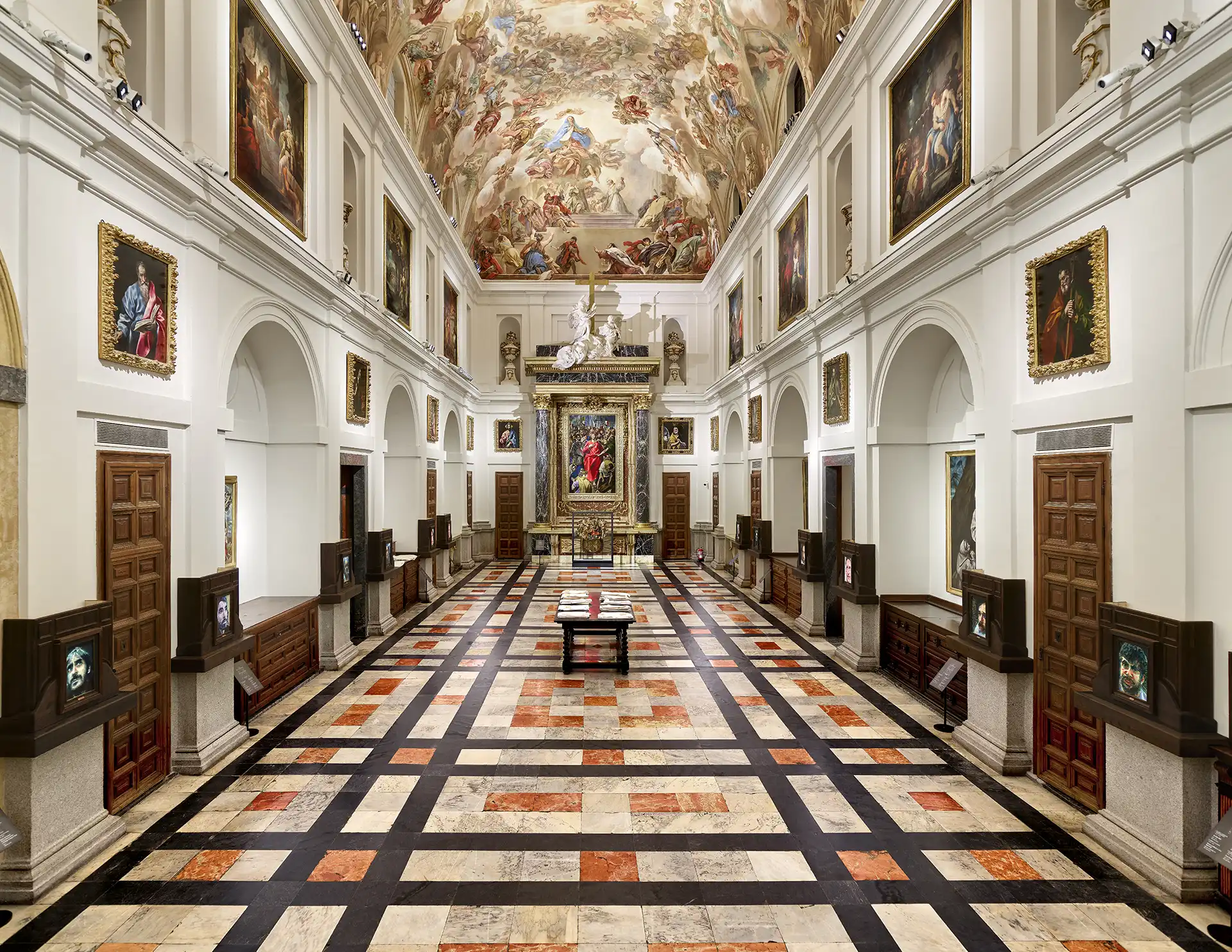
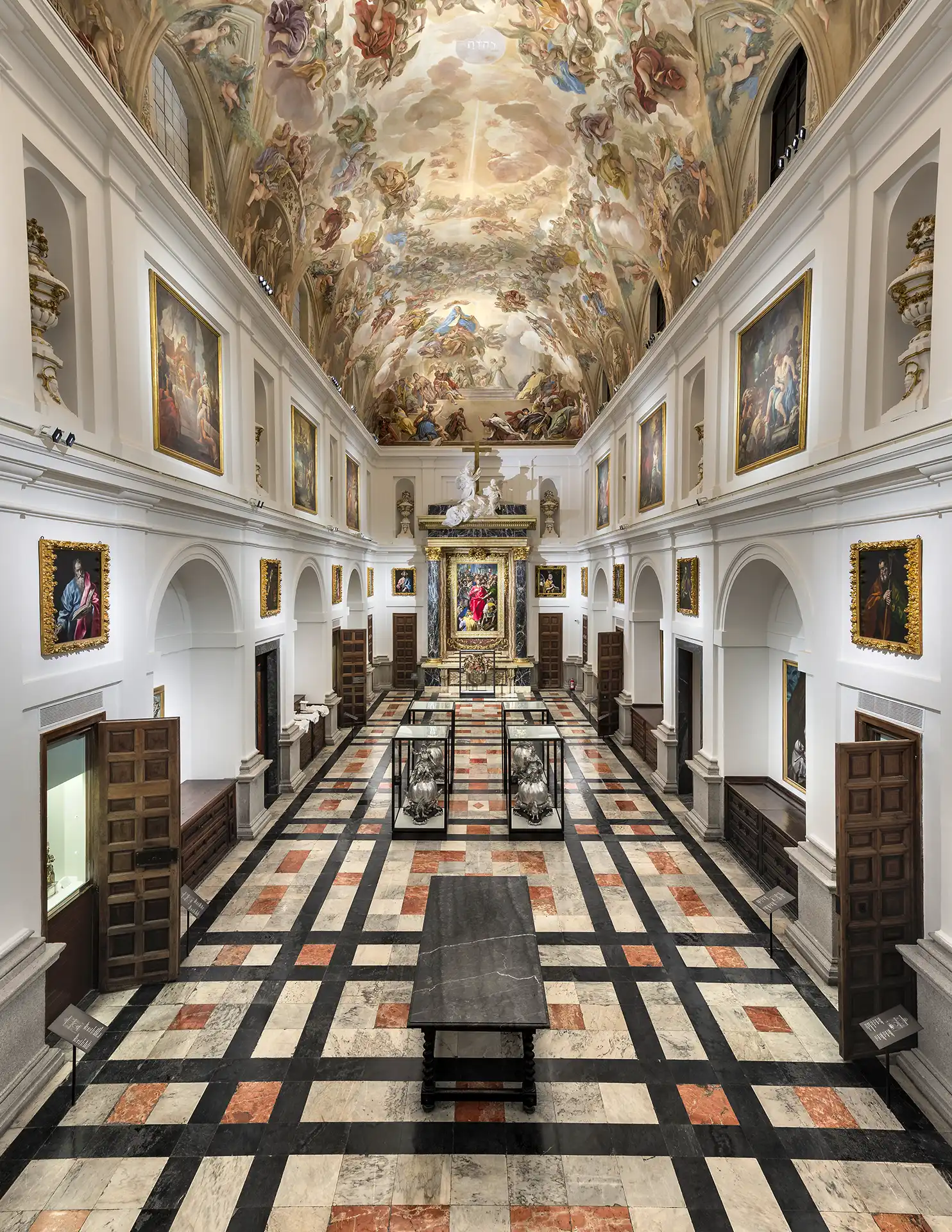
At the end of the 16th century, Nicolás de Vergara the Younger built the Major Sacristy of the Cathedral of Toledo: a vast and solemn nave of ceremonial proportions, conceived for the preparation of worship… and transformed by time into an authentic sanctuary of art.
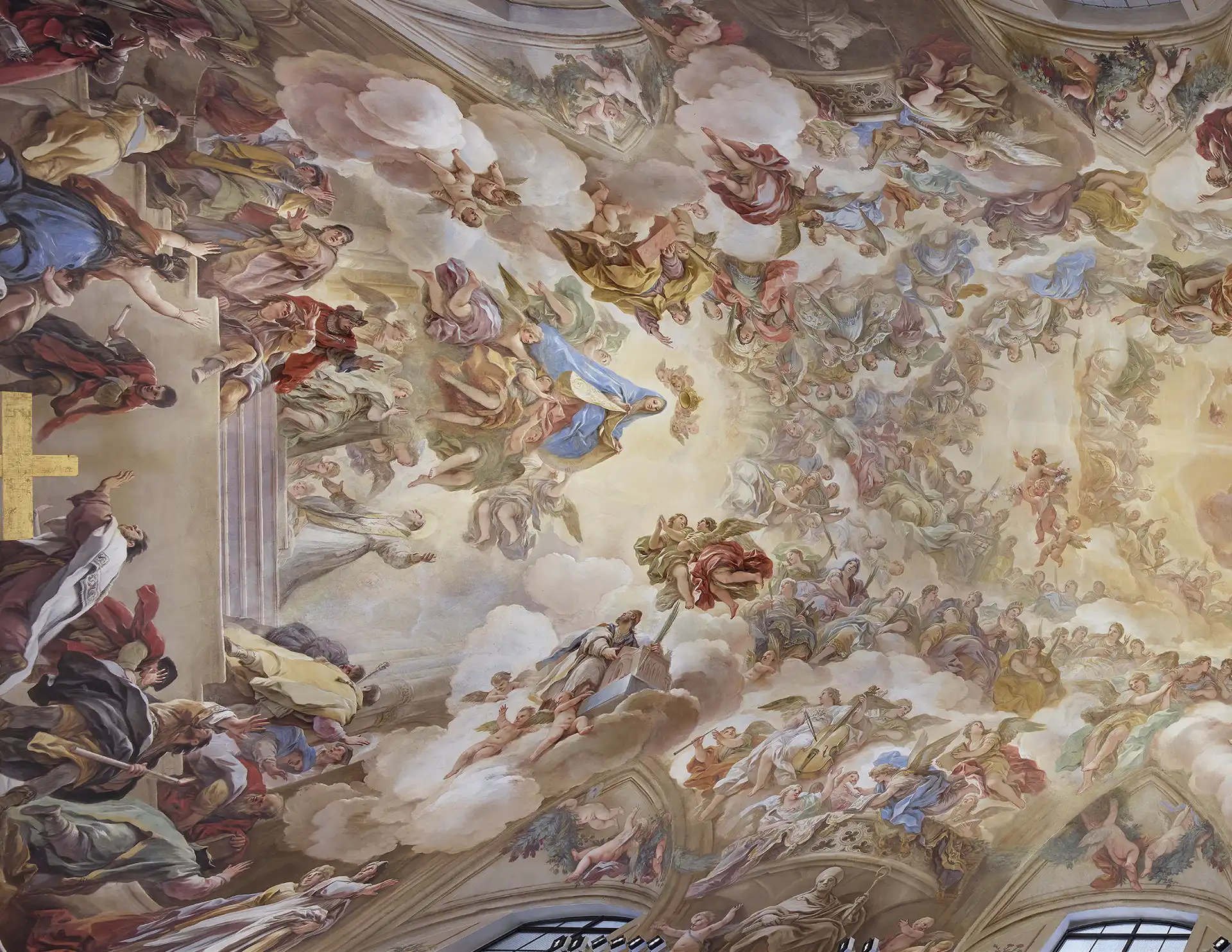
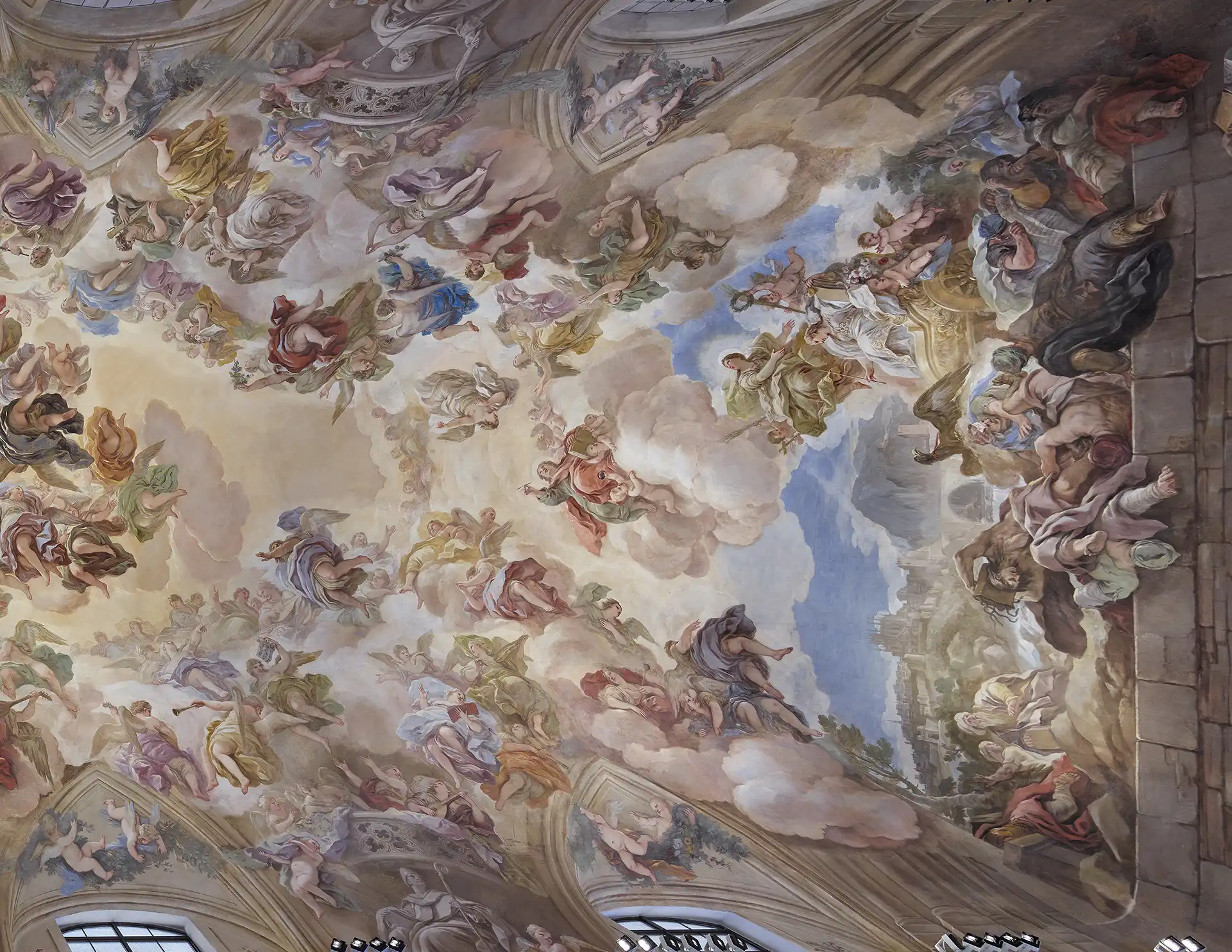
Its vault is covered by a monumental fresco by Luca Giordano depicting The Descent of the Virgin at the Imposition of the Chasuble upon Saint Ildefonso. The theatrical, luminous scene fills the space with an open sky of angels and billowing drapery. In the final window on the left-hand side, the painter discreetly included his self-portrait — a silent signature that humanises the represented glory.
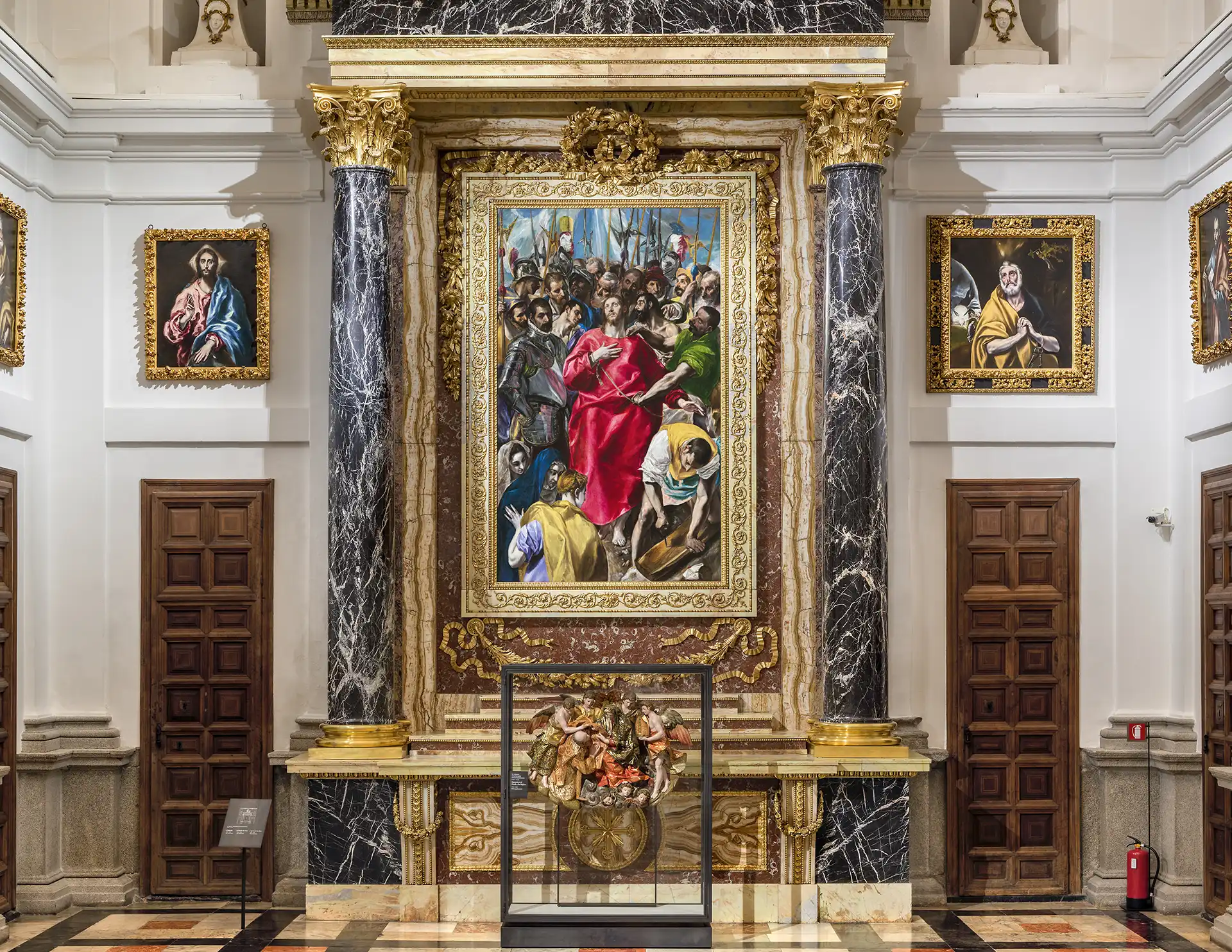
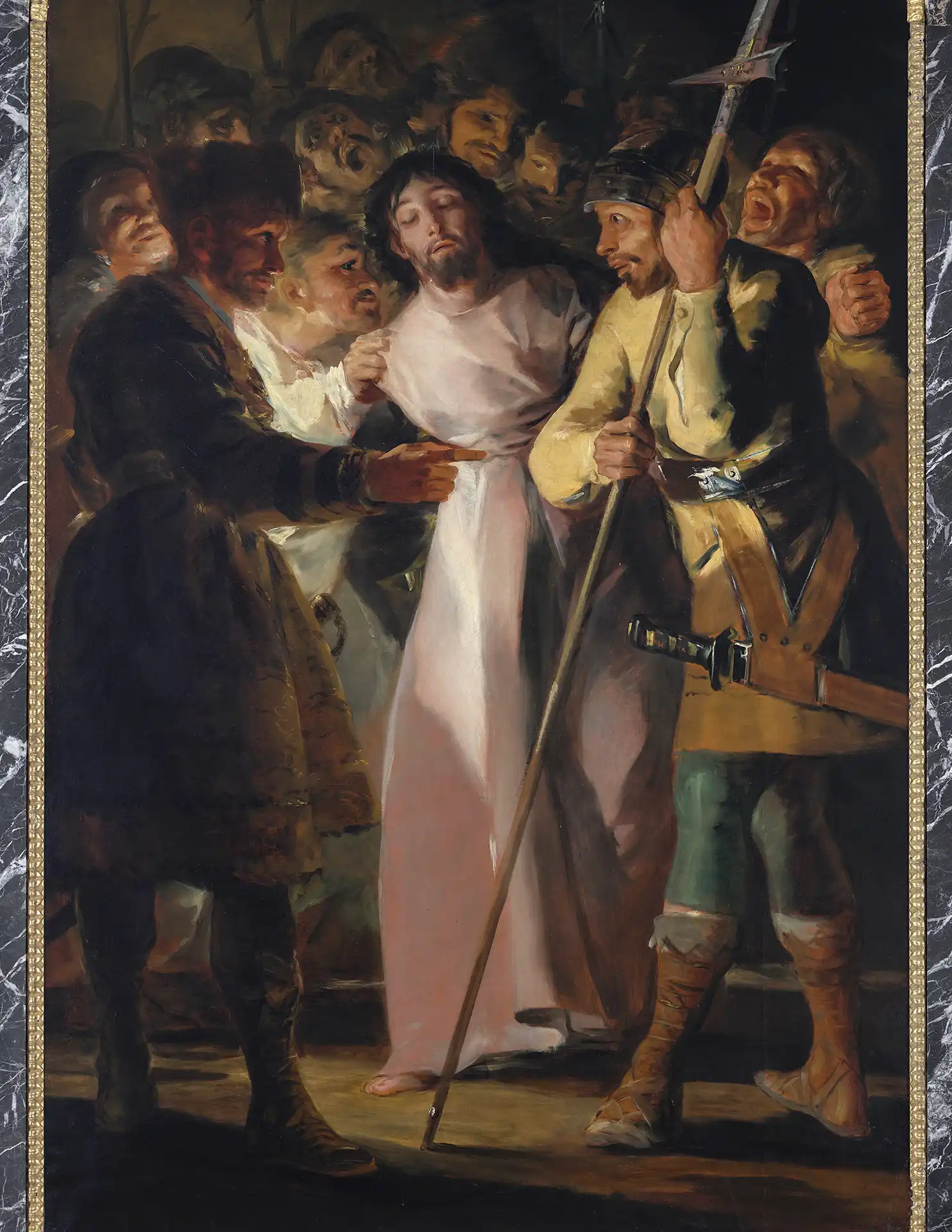
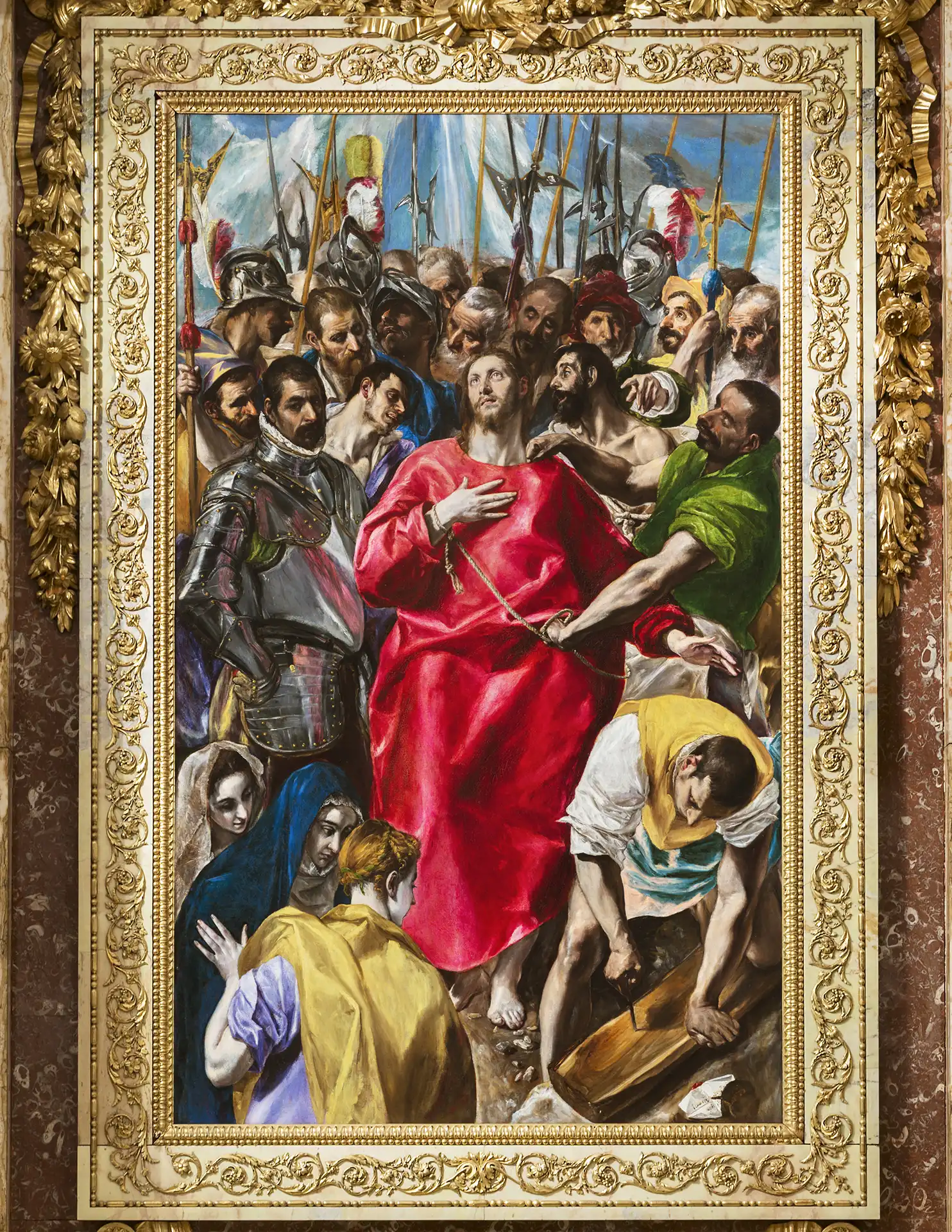
At the far end stands The Disrobing of Christ by El Greco, painted in 1587 by commission of the Cathedral Chapter for this very setting. The canvas is now framed by a marble and bronze altarpiece (1798), which replaced the original structure designed by El Greco himself; from that first arrangement only a sculptural group of the Imposition of the Chasuble survives, a precious remnant of the initial conception of the space. Lined with noble woods and marbles, the room breathes a grave elegance in which liturgy and beauty are mutually indispensable.
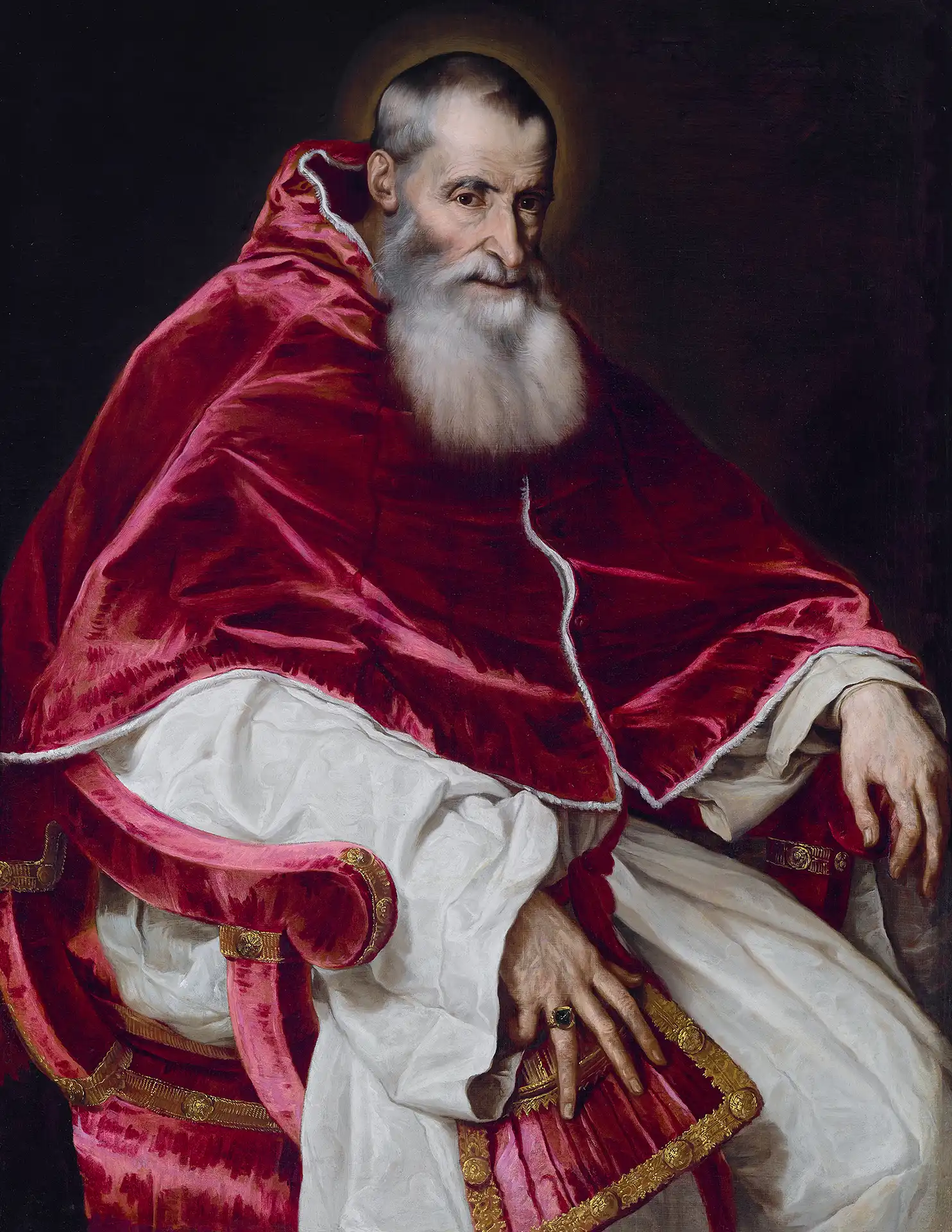
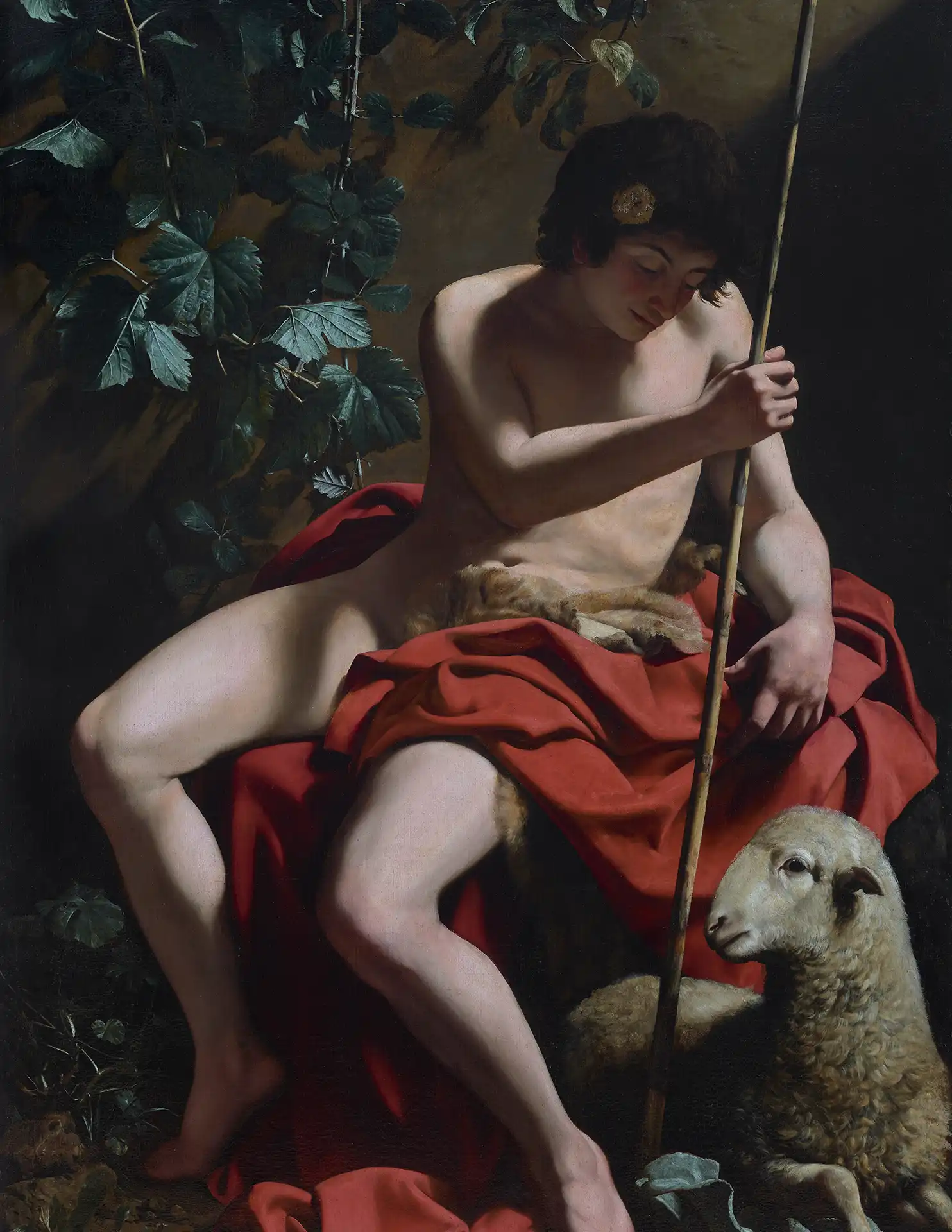
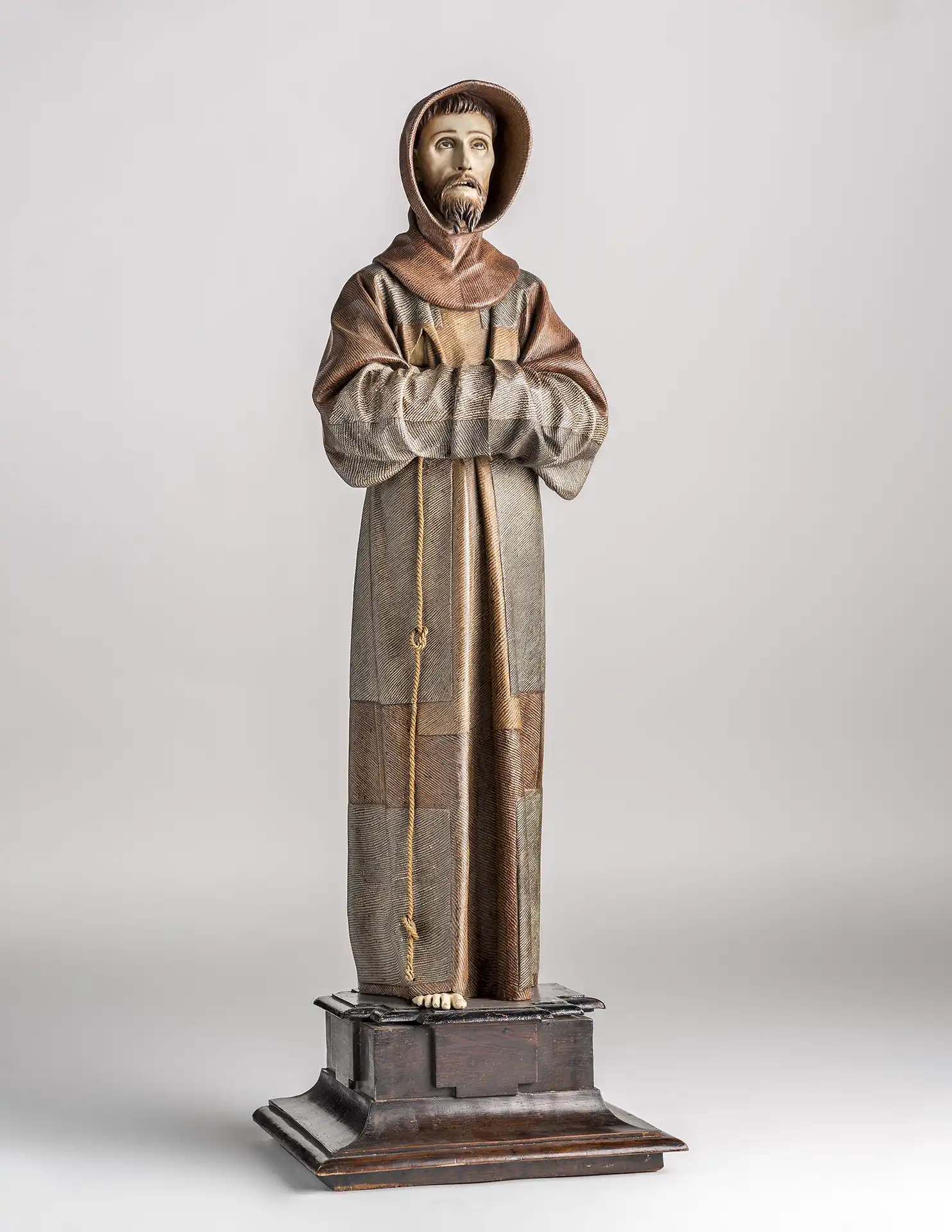
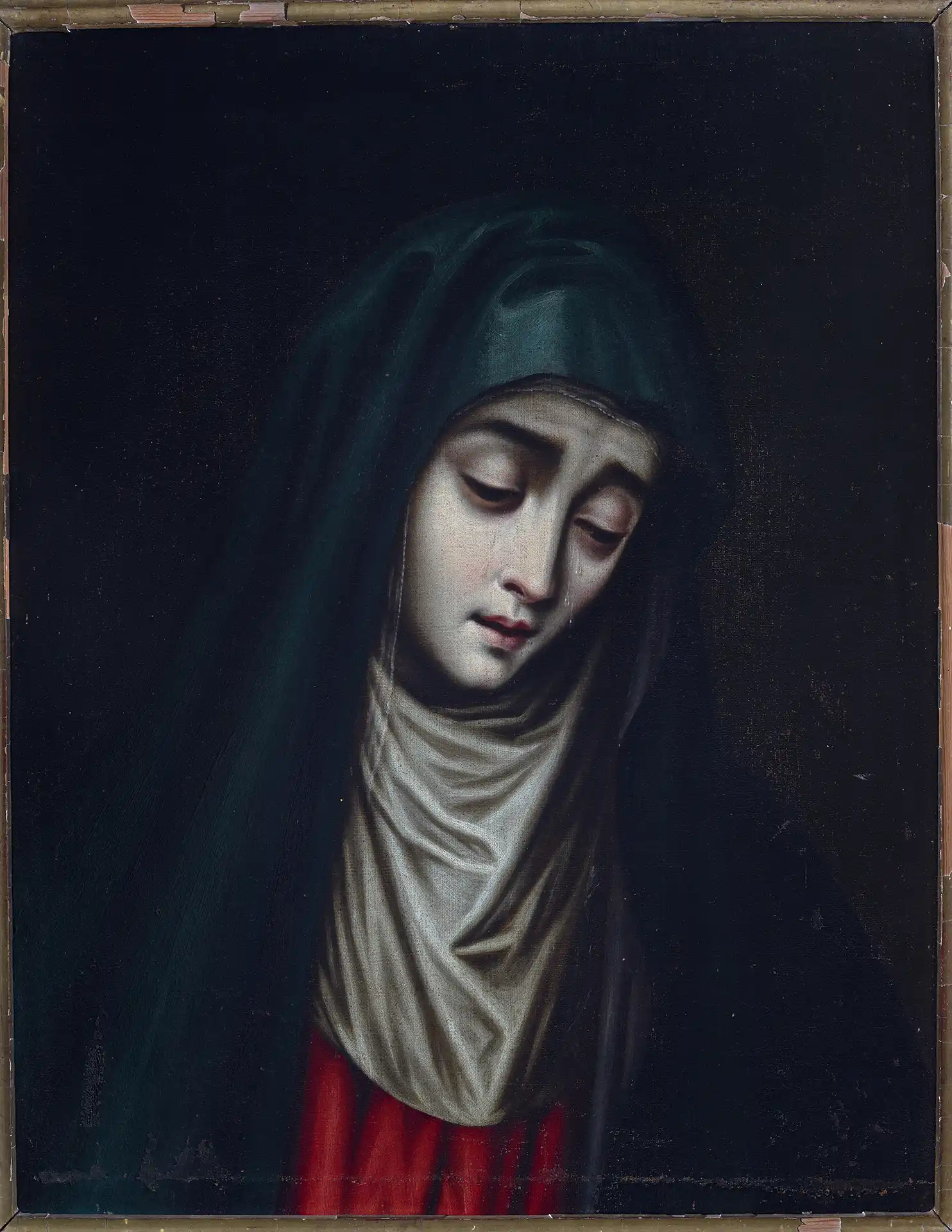
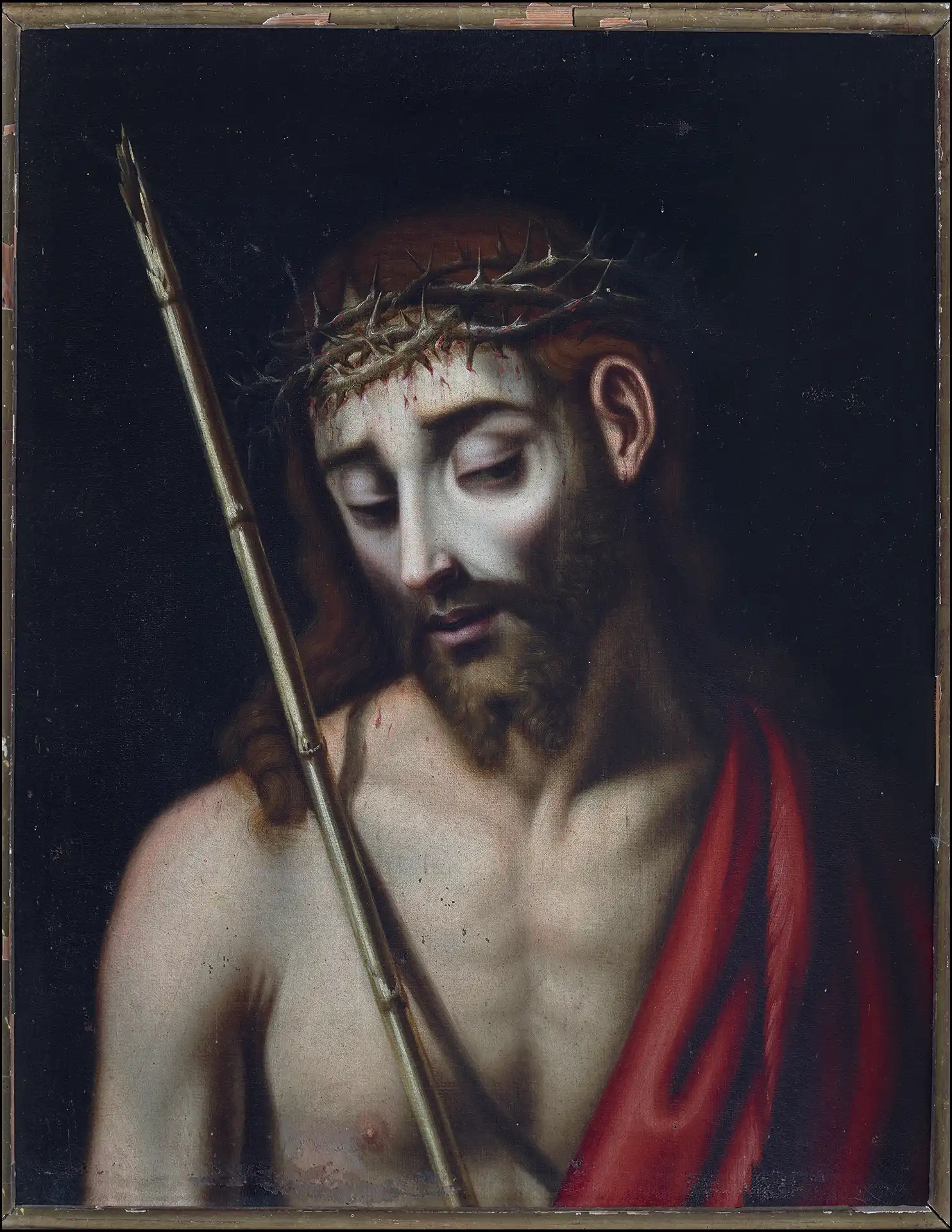
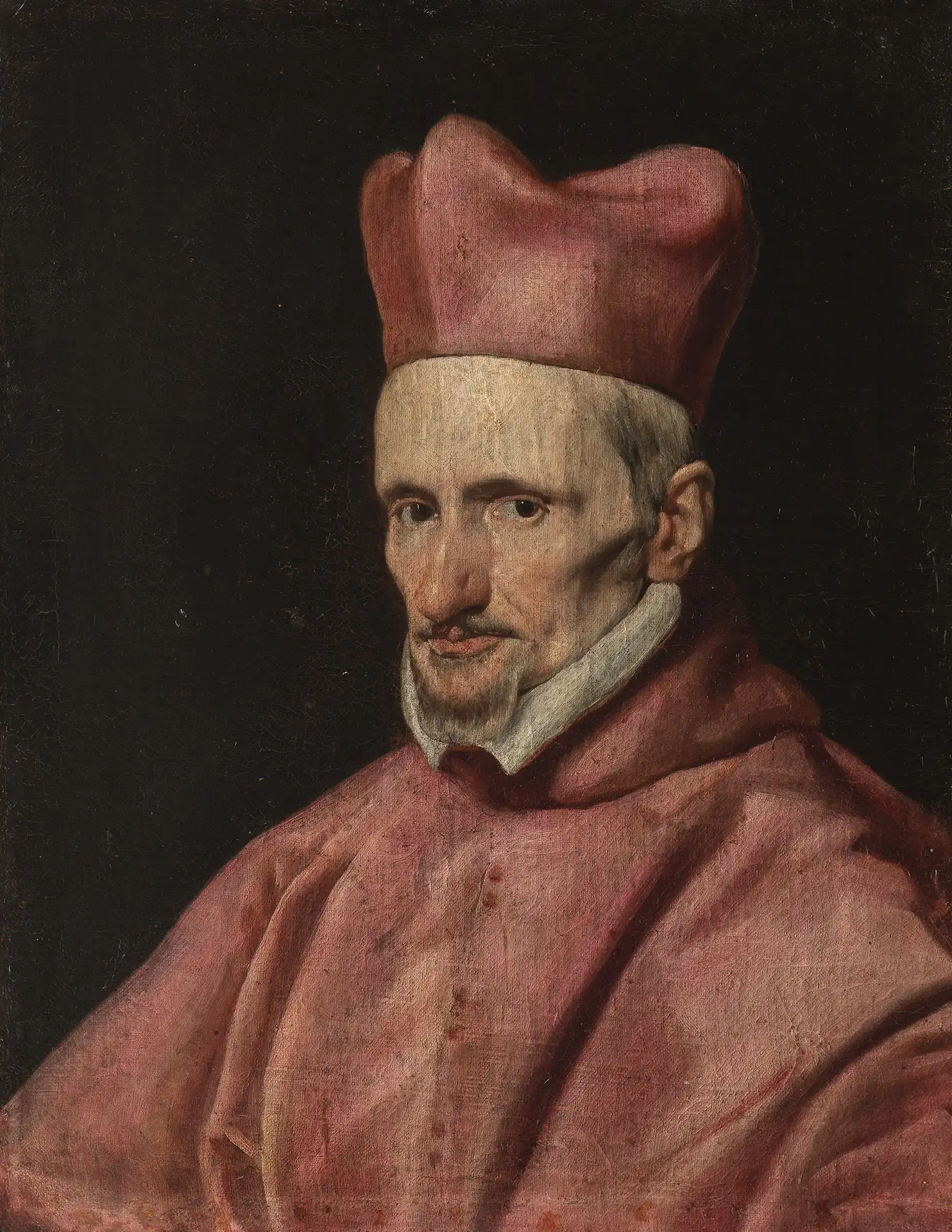
The Sacristy also functions as a picture gallery — a “museum within the temple” — displaying works by El Greco, Caravaggio, Titian, Van Dyck, Orrente, Luis Tristán, Goya, Luis de Morales and José Ramos, among others. The diversity of schools and periods — from Mannerism to Baroque, from Italian naturalism to tenebrism — turns the visit into a condensed course in European painting, seen from Toledo. Along one side rests the Roman alabaster tomb of Cardinal Luis de Borbón, carved by Salvatierra in 1824: a neoclassical serenity that dialogues with the chromatic exuberance of the ensemble.
Adjacent lies the Archiepiscopal Sacristy, housing works by Ribera, Bassano and Bellini, among other masters. Beyond it, two further rooms complete the complex with an outstanding collection of liturgical vestments produced in Toledo between the 15th and 17th centuries: brocades, silks and gold and silver embroideries that reveal the mastery of local workshops and the ritual dignity of worship.
Thus the Sacristy reveals itself on two inseparable planes: ceremonial architecture and gallery of painting. Beneath Giordano’s painted heavens and before the vibrant red of The Disrobing, the visitor understands that in Toledo beauty does not adorn faith — it explains it.